Filipinos Familiar With Paluwagan Find Leverage Trading Follows a Very Different Logic
Across offices, neighbourhoods and extended families in the Philippines, the paluwagan remains one of the most trusted ways to save. Members agree on a fixed contribution, perhaps 1,000 pesos each payday, and one person collects the full pot on each turn. No interest is charged and no paperwork is filed. The system runs on reputation instead, and anyone who collects early and then stops paying risks being remembered for it by coworkers or neighbours for years.
Receiving the pot in an early round works much like borrowing from the group, and for many Filipinos it is their most familiar experience of using other people’s money. That is often where intuition about leverage begins, and where it first goes wrong. An early receiver knows exactly how much is owed and how many rounds remain, and the obligation never changes because of price movements somewhere else in the world.
Leverage trading rests on an entirely different foundation. A small deposit with a broker controls a much larger position, so a 20,000 pesos account with leverage of 100 to 1 can carry exposure of up to 2 million pesos. The amount at stake is not a fixed commitment but a moving one, growing or shrinking with every tick of the market. A move of just one percent against that position would wipe out the entire deposit, something no paluwagan arrangement could ever do.
Flexibility marks another sharp difference. A circle member short on cash can ask for a few extra days, explain a family emergency or swap turns with someone else in the group. Trading platforms offer nothing of the kind. Once account equity falls too low, positions close automatically, often in the middle of the night while the account holder is asleep, with no grace period and no room for negotiation. The counterparty is a system, not a neighbour.
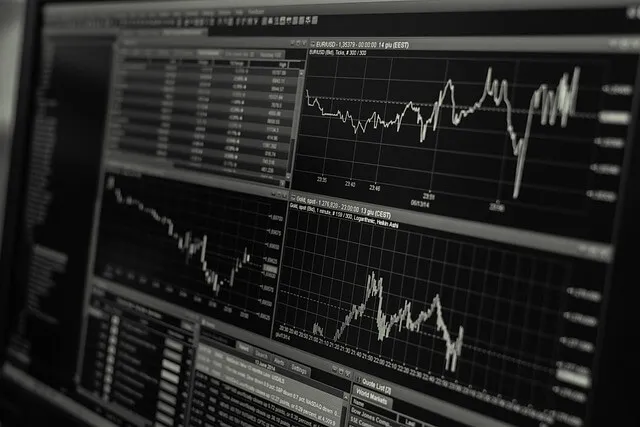
Image Source: Pixabay
Pace adds yet another contrast. A paluwagan moves to the steady rhythm of paydays, weekly or monthly, and its discipline comes from that predictability. Leveraged positions can swing sharply within minutes, and trades held overnight usually incur financing charges that slowly erode returns. Patience, which a savings circle reliably rewards, can become expensive on a trading screen, where holding on to a losing position often deepens the loss rather than waiting it out.
Some paluwagan habits do carry over well. Committing only money that can genuinely be spared, checking the credibility of whoever holds the funds and keeping emotions from overriding a plan are principles that serve traders as much as savings circle members. A troubling hybrid has also emerged, with online groups calling themselves paluwagan while promising members a share of profits from a single organiser’s trading account. These schemes are usually not registered with the Securities and Exchange Commission, and once money reaches an anonymous trader, the community trust that protects a genuine circle offers almost no protection at all.
Both systems put other people’s money to work, but in opposite ways. A paluwagan spreads risk across a group bound by personal relationships, while a margin account concentrates it in a single position that can be liquidated in seconds. Filipinos who approach leverage trading with that distinction in mind tend to size positions more carefully, aware that the comfort of the savings circle does not follow them onto a trading screen.